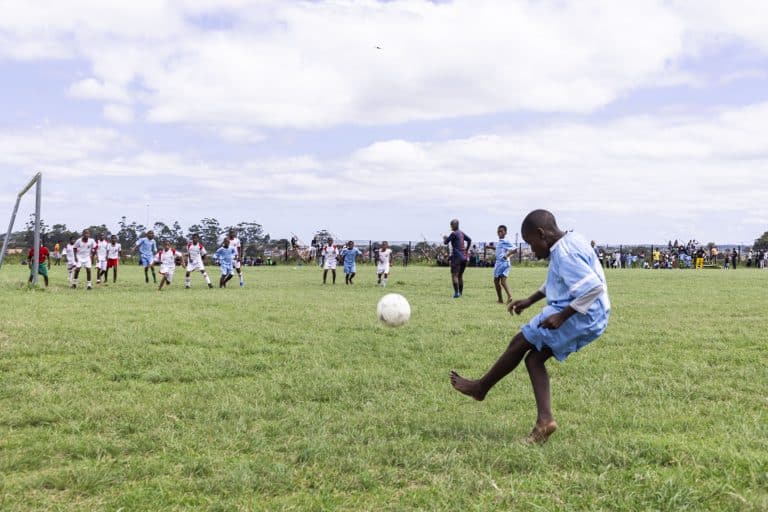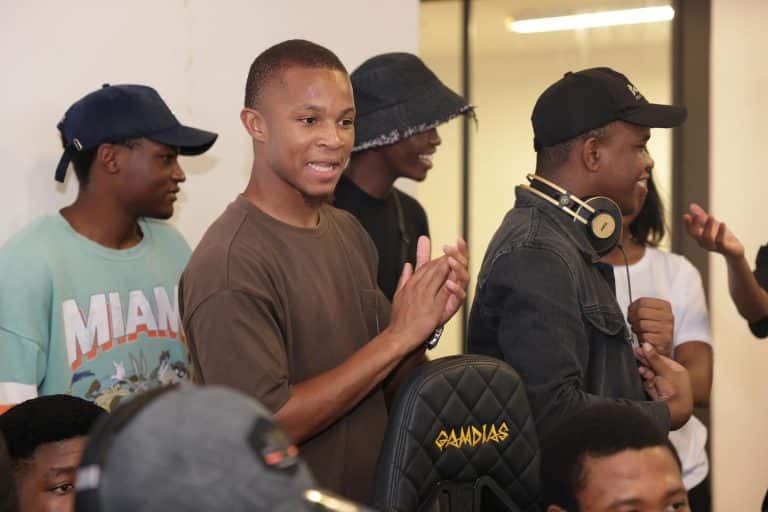
On International Girls in ICT Day 2026 (23 April 2026), the global conversation turns again to its familiar chorus: encourage young women to enter technology, teach them to code, build their confidence, expand their pathways. It is a worthy conversation. But there is a quieter, more structural reality that decides who is even able to imagine themselves in that future, and it is not aspiration. It is access.
Before the dream, before the skill, before the opportunity, there is connectivity. And for too many young girls in underserved and rural communities across this country, the absence of reliable internet is not merely an inconvenience. It is a locked door.
In South Africa, inequality has always known how to map itself onto infrastructure. The digital divide is not simply about speed or affordability. It is about exclusion from a world that is moving fast and waiting for no one. As the national conversation shifts toward artificial intelligence and the future of work, those without consistent access risk being left not just behind, but out entirely. Unable to learn. Unable to experiment. Unable to participate in systems that are already reshaping what it means to work, to earn, to belong. The transition into an AI-driven era does not begin with an algorithm. It begins with a signal, a connection, a network that reaches a girl in Cofimvaba or Giyani or Beaufort West the same way it reaches anyone in Sandton.
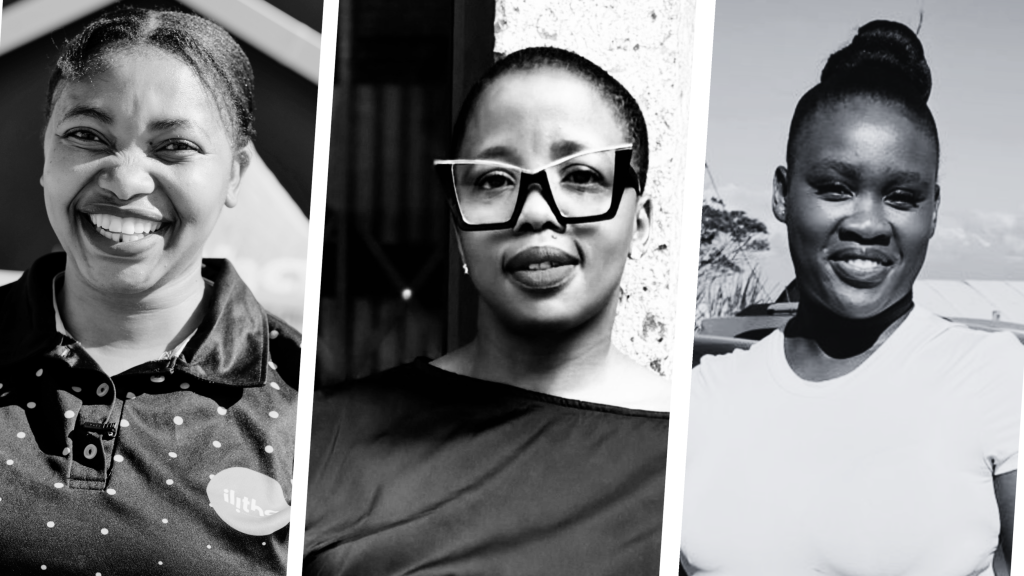
It is within this reality that Ilitha Telecoms positions its work, not as simple service provision, but as infrastructure for inclusion. At the frontlines of that effort are women whose roles span technical, operational, and strategic ground, each one contributing to the expansion of connectivity into communities that have too long been overlooked. Their work is a direct challenge to the assumption that innovation belongs to the city. It insists, instead, that digital transformation must be rooted precisely where it is most needed.
This year, rather than asking only how more girls can enter ICT, we turn to the women already shaping that landscape from the inside. Through the stories of three women at Ilitha Telecoms, this article traces the line between access and agency, and shows that building networks is, in the end, the work of building futures.
The Women Behind the Network
They did not all arrive in ICT by design. None of them drew a straight line from childhood to fibre cable or network operations or sales floors. What brought Ziyanda Mbusi, Tuleka Lawana, and Wathoma Poti to Ilitha Telecoms was something more honest than a career plan: it was opportunity meeting curiosity, and curiosity meeting grit.
Together, their stories map the full architecture of what connectivity requires. Not just the technology, but the people who sell it into communities that have never had it, the supervisors who keep the systems running, and the technicians who climb the poles to make the last-metre connection real. Their work is unglamorous in the way that all essential work is unglamorous, and it is indispensable in exactly the same way.
From the Ground Up
Wathoma Poti grew up in East London, not far from the communities Ilitha now serves. She thought she would become a social worker, or perhaps a teacher. Technology was not on her radar, not because she lacked ability, but because she had never been shown that it was an option. “I thought it was for men,” she says simply, and in that sentence lives the entire argument for why representation matters.
It was her sister who first mentioned fibre optics, already working in the space and watching people in the community being trained as technicians. Wathoma applied, not with certainty, but with curiosity. What she found, once she actually saw what the work involved, changed her trajectory entirely.
“Once I saw what fibre technicians do, I realised how fun it is for me. The problem-solving, working with my hands, seeing something I fixed connected to a whole house. It clicked.”
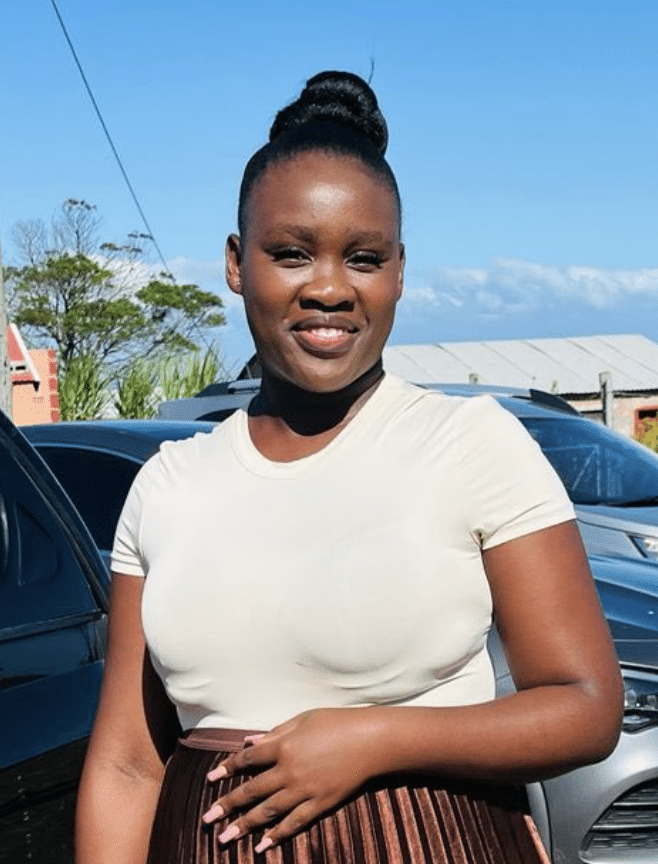
Her biggest fear was heights. The first time she looked up at a pole, she thought, simply, no. She climbed anyway, scared, and then climbed again. “Now it’s one of my favourite parts of the job,” she says. “You overcome it by doing it scared, then doing it again.” That is not just advice for aspiring technicians. It is a philosophy.
“That inspired me to be part of such impactful work,” she says.
Today, as a junior fibre technician at Ilitha, Wathoma’s days begin with a team safety briefing and end, on the best days, with the green light on an ONT confirming that a client’s WiFi is live. The splice she learned in an intensive hands-on training week, that delicate process of stripping, cleaving, and fusing fibre so that a signal passes clean, has become a skill she describes as something she can own. Her proudest moment to date was completing a solo installation. “I proved to myself that I can do this. Not just try or help, but actually deliver.” The financial independence the job has brought her is equally significant. She helps support her mother. For a young woman from East London who once did not see doors open, that is not a small thing.
Sales as Service
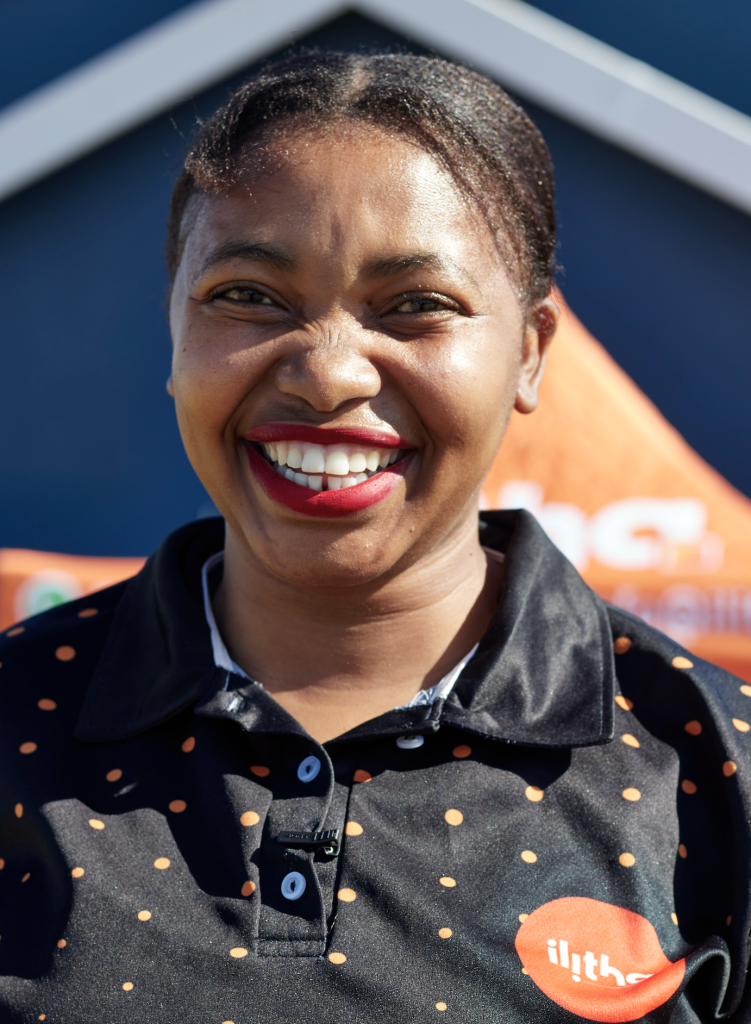
Tuleka Lawana’s entry into Ilitha began not in a training room but in her own neighbourhood. When Ilitha entered Mdantsane Ward 48 as an internet service provider, she watched the infrastructure being built and saw something that moved her: young people, and particularly young women, being trained in pole planting and home installations. The technology was arriving in her community, and it was being built, in part, by people who looked like her.
With a marketing diploma that had given her a strong foundation in customer behaviour and sales technique, Tuleka applied for a sales representative position. She got the role. Three months later, she was promoted to Sales Supervisor. It was a recognition that did not surprise anyone who has watched her work, though it clearly surprised and motivated her.
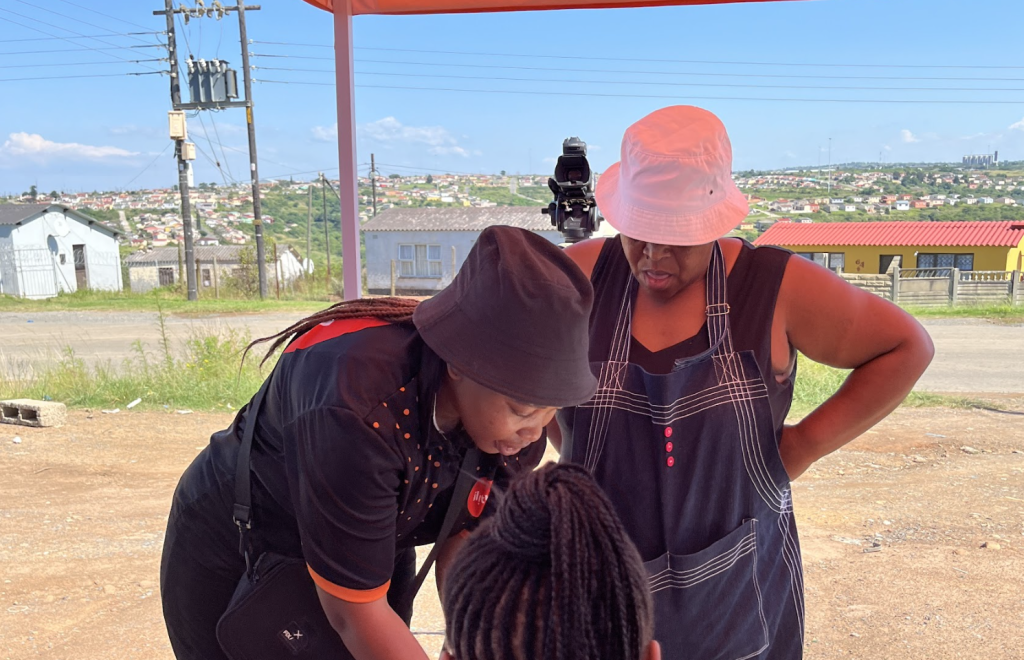
Now, as Sales Manager for the Eastern Cape, Tuleka’s days are a study in translation: taking a technical product and making it legible, desirable, and accessible to communities where connectivity has historically been absent. One of the hardest parts of the job, she says, has been shifting perceptions. Educating customers about technology in places where access has been limited requires more than a sales pitch. It requires trust, patience, and the ability to meet people where they are.
“Word-of-mouth is powerful in communities,” she notes. “Maintaining good relationships helps grow the business organically.” In that observation is the whole difference between selling a product and genuinely serving a place. Tuleka understands that distinction clearly, and it shows in how she leads her team.
Her advice to young women who feel that ICT is too technical a space for them is characteristically direct: “You don’t have to be technical to succeed in ICT. There are many roles: sales, marketing, customer service, management. Start where you are and grow from there.”
Holding the Centre
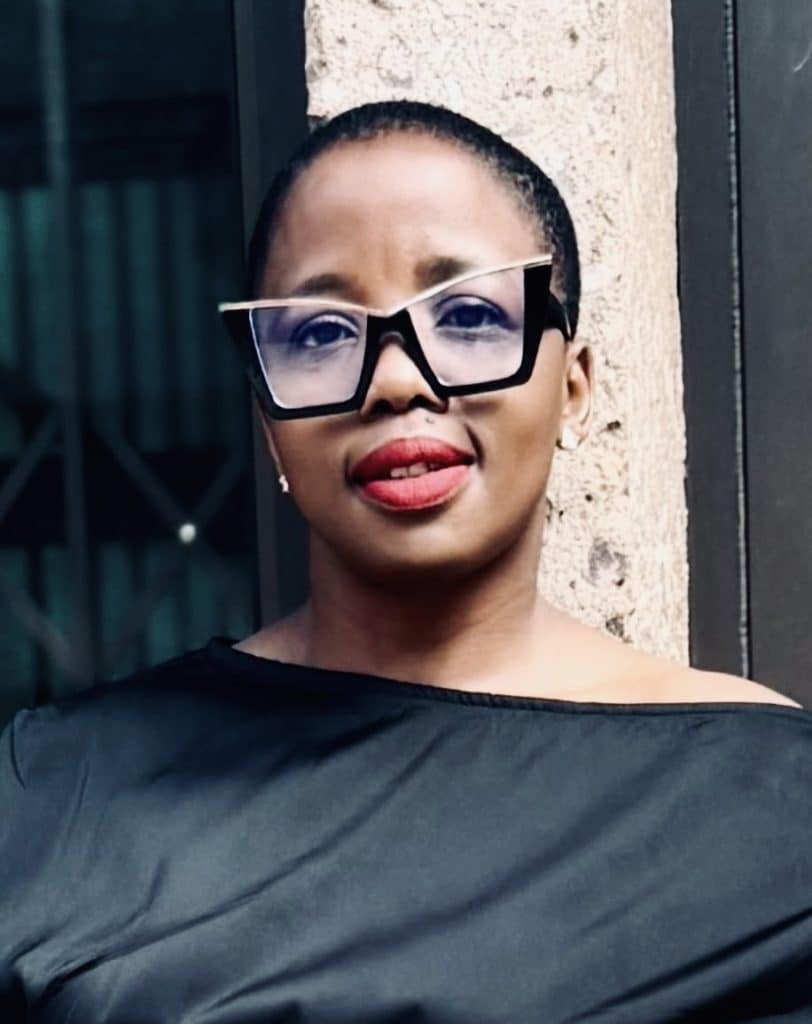
Ziyanda Mbusi came to ICT through a sustained and deliberate process of building: building knowledge, building experience, building credibility in environments where women, particularly in senior roles, are still underrepresented. As Network Operations Centre Supervisor at Ilitha, she sits at a critical intersection. She is the person responsible for ensuring that what Wathoma splices and what Tuleka sells actually works, consistently, at scale, for the communities depending on it.
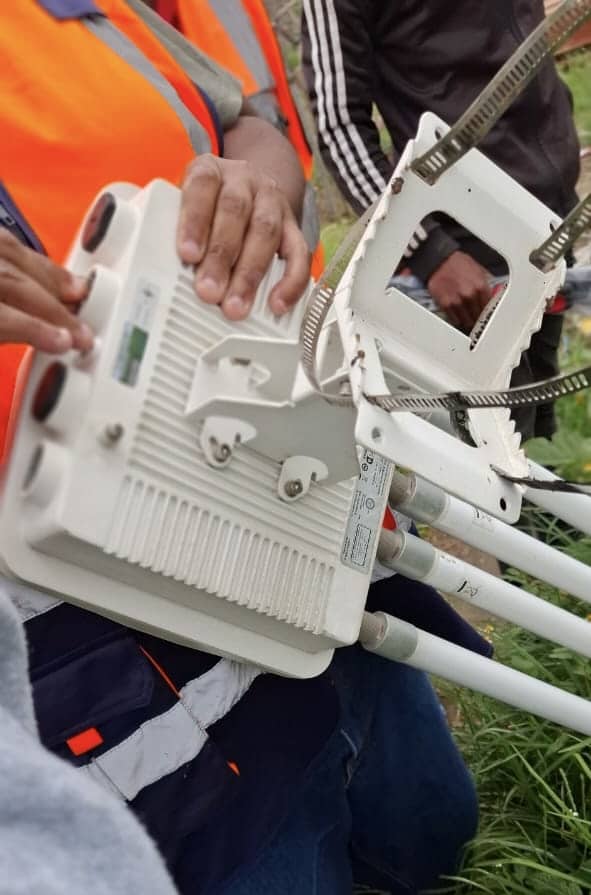
The NOC is the nerve centre of a telecoms operation. When a signal drops, when a network fault threatens to leave a family or a school or a small business without connectivity, it is Ziyanda’s function to ensure the response is coordinated, efficient, and effective. It is work that demands technical knowledge and operational discipline in equal measure.
Her journey, like those of her colleagues, was not linear. It was shaped by the accumulation of roles that challenged her, opportunities she took even when they were uncomfortable, and a refusal to be diminished in spaces that did not yet reflect her presence as a norm. “I’ve had to remain confident in my abilities and continuously prove my value through my work,” she says, with the measured tone of someone who has done exactly that.
What she identifies as a key turning point is telling: not a single dramatic moment, but the sustained experience of being given roles that pushed her beyond what she already knew. It is a pattern that speaks to what good organisations can do for people when they invest in them seriously.
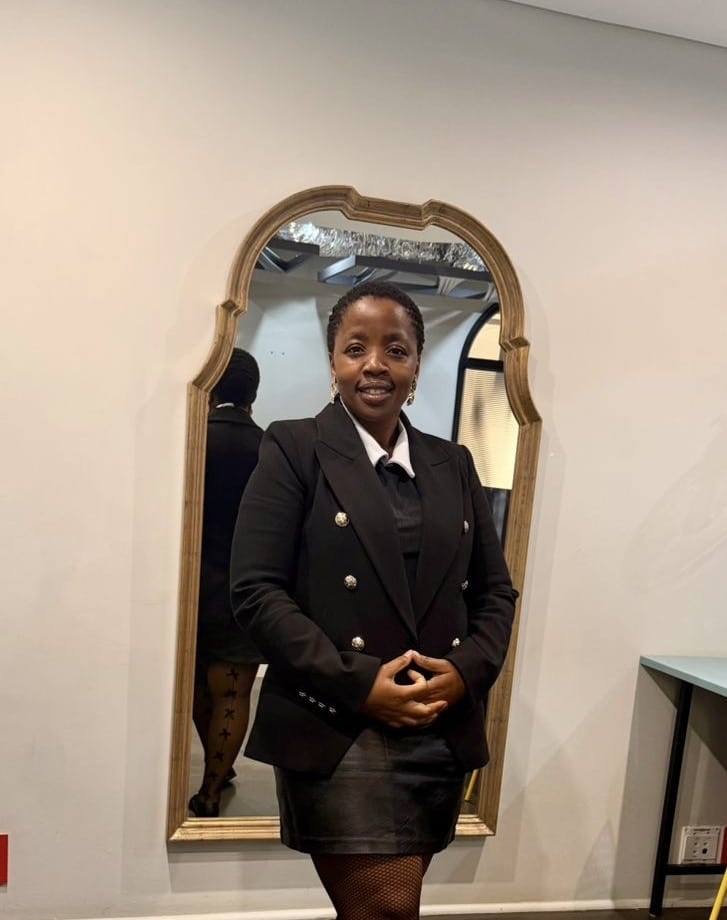
On the question of women in leadership, her view is clear and grounded: “It brings diverse perspectives, promotes inclusivity, and encourages more young women to pursue careers in ICT.” She is not speaking abstractly. She is, in her own position, the evidence.
Three Women, One Network
What connects Ziyanda, Tuleka, and Wathoma is not simply that they work for the same company. It is that each of them, at a different layer of the same infrastructure, is doing the work that makes digital inclusion real rather than rhetorical. Wathoma climbs the pole. Tuleka builds the relationship with the household at the bottom of it. Ziyanda ensures the signal holds once the connection is made. Remove any one of these functions and the network fails. Undervalue any one of these women and you lose sight of what the work actually requires.
None of them grew up imagining this life. All of them were shaped, in part, by the moment Ilitha arrived in their orbit and offered something concrete: training, a role, a team, a chance. That is not a minor footnote to their stories. It is the argument that the article is making. Access changes what is possible. And the women who build access change what is possible for everyone who comes after them.
On International Girls in ICT Day 2026, as the global conversation turns again to the question of how to draw more women into technology, the answer is already visible in East London, in Mdantsane, in every community where a fibre cable runs that did not run before. You draw women in by showing them it is possible. And you show them it is possible by already being there, doing the work, in full view.